
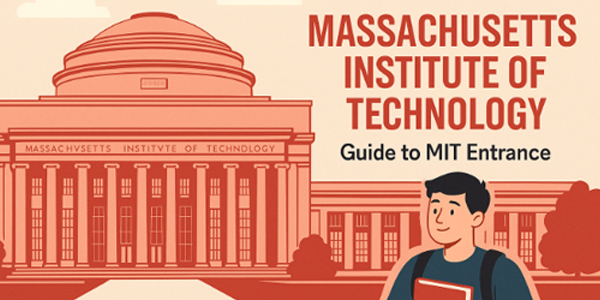
Massachusetts Institute of Technology: Guide to MIT Entrance
Do you wish to join the Massachusetts Institute of Technology (MIT)? This prestigious institution is a
hub for innovation, research, and academics. Students from all across the globe dream to gain
admission here; however, it is no easy task. To get into MIT, a student requires dedication,
preparation, and a clear understanding of the entrance exam. From academic requirements to
showcasing creativity and problem-solving skills, every step matters in your journey. In this guide,
we will go through expert tips to assist you with preparing for the Massachusetts Institute of
Technology and enhance your ability to gain a place there. So let’s get started!
Key Components of the MIT Admissions Process
The Massachusetts Institute of Technology (MIT) admissions process is highly competitive and
holistic, emphasizing not only academic excellence but also a strong alignment with MIT's values
and culture. The key components include the following:
1. Strong GPA and Coursework
MIT expects applicants to demonstrate strong GPA and coursework. It refers to achieving excellent
grades in math, science, or other courses. It signifies strong academic performance and discipline,
which is vital for students to grab career opportunities. However, a strong application is well-rounded, balancing a high GPA with relevant extracurricular activities, leadership, internships, and
strong recommendation letters.
2. Standardized Tests
While the Massachusetts Institute of Technology emphasizes on strong academic records,
submitting SAT or ACT scores is still a significant factor. MIT does not require the SAT essay or the
ACT writing section. Both the digital and paper versions of the SAT are accepted.
3. Language Tests
International applicants whose first language is not English must demonstrate strong communication
skills through standardized tests such as TOEFL or IELTS. These scores help MIT evaluate an
applicant’s readiness for academics and a collaborative environment, ensuring they can successfully
engage in coursework, research, and community interactions.
4. Essays
MIT’s application features essays designed to uncover an applicant’s individuality and motivations.
These essays go beyond academic achievements, allowing students to reflect on values,
experiences, and aspirations. Strong essays reveal how a candidate thinks, communicates, and
connects their personal journey to MIT’s mission of innovation, collaboration, and meaningful
societal contributions.
5. Holistic Review
MIT follows a holistic review process, evaluating each application in its entirety rather than focusing
solely on test scores or grades. Factors such as extracurricular curricular, character, essays, and
unique contributions to communities all matter. This approach ensures that selected students are not
only academically talented but also align with MIT’s collaborative, innovative spirit.
Tips for Preparation to Get into MIT
To prepare for getting into MIT, focus on demonstrating strong academics. MIT seeks well-rounded
students who possess a strong work ethic, leadership qualities, and a genuine interest in learning.
1. Start the Process Early
It is essential that you start your preparation well in advance so that you can prepare well for the
standardized tests, such as the SAT or ACT. Furthermore, language proficiency tests like IELTS and
TOEFL also require a lot of practice. Apart from that, crucial components of the application, such as
essays, LORs, and resumes, also need time for drafting, brainstorming, and refining. Starting early
also allows you to explore activities, undertake projects, or pursue internships that strengthen your
profile. This proactive approach reduces last-minute stress and ensures that every step of the
process, from test prep to final submission of the form, is thoughtfully executed for the best results.
2. Focus on Academics
Your academic performance is the core of a strong application in highly selective colleges such as
the Massachusetts Institute of Technology and other important institutions. A consistently high score
in your past records improves your chances of securing a seat in the college. Academics is especially crucial for tough courses such as advanced STEM subjects, which demonstrate
intellectual ability and discipline. Universities look for students who are prepared to handle
challenging coursework. Beyond grades, a strong academic record showcases students'
commitment to lifelong learning. Admissions committees also value upward trends, showing
improvement over time revealing adaptability. At its core, academic preparation proves that you are
ready to thrive in a demanding environment like MIT.
3. Seek Guidance
Applying to prestigious institutions is often a complex process, and expert guidance can make a
huge difference. Professionals can help you achieve a great score in standardized and language
skill tests. Educational consultants, counselors, or mentors provide personalized advice on
applications, essays, and extracurricular activities. They help you identify your strengths, highlight
areas for growth, and further assist you in growing. Additionally, guidance from teachers, alumni, or
older peers who have successfully navigated the process can provide insider perspectives. Besides,
it helps you learn from past experiences and elevates your application to reflect your best self.
4. Craft Compelling Essays
Essays provide students with the chance to express their ideas and thoughts. These help you
highlight your personal experiences and future goals. Massachusetts Institute of Technology, in
particular, values creativity, curiosity, and problem-solving skills. Further, your essay must reflect
your interest and learning attitude. A good essay may require multiple drafts and feedback from
experienced mentors. Moreover, you must avoid generic answers and focus on mentioning your
unique qualities. A compelling essay leaves an impression of who you are on the admissions
officers.
5. Engage in Meaningful Activities
Top universities value applicants who show passion, leadership, and commitment outside the
classroom as well. Besides, students must focus on engaging in activities that they are genuinely
interested in. For instance, if you love robotics, you may join workshops, a robotics club, or a
research project related to robotics. Further, if you are into community service, then you may take on
leadership roles and initiatives in social activities. Admissions officers look for authenticity and
consistency. Long-term involvement and personal growth stand out more than short-term
participation. Besides, these meaningful extra curricular activities not only enrich your high school
experience but also showcase skills and qualities.
6. Research and Explore
Strong applicants show genuine interest in the institution to which they are applying. Learning about
MIT’s unique culture, values, and opportunities allows you to fit in properly. Exploring and engaging
in related projects and activities, such as science fairs or independent research, highlights your
intellectual curiosity. Admissions committees appreciate applicants who can get involved in college
activities. Showing that you’ve explored MIT thoroughly conveys your alignment between your goals
and the institute’s mission.
Conclusion
Overall, getting admission to MIT is a challenging yet rewarding journey. It demands academic
excellence, creativity, and a genuine passion for learning. By understanding the key components of
the MIT admissions process and preparing strategically, applicants can present their strongest
selves. Further, it is crucial that students prepare well for the MIT entrance exam, standardized tests,
and language tests. While the competition is high, focusing on skills and extracurricular activities can
set you apart from the crowd. Remember, MIT seeks not just scholars, but problem-solvers and
visionaries ready to shape the future.